Student Loan Refinance Without Degree

Hey there! Are you feeling burdened by your student loan payments, even without having completed your degree? Well, we have good news for you – it is still possible to refinance your student loans and potentially lower your monthly payments, regardless of whether you have graduated or not. By exploring different refinancing options and lenders that cater to individuals in your situation, you can take control of your student loan debt and work towards a more manageable repayment plan.

Student Loan Refinance Options for Non-Degree Holders
When it comes to student loan refinance, many people believe that having a degree is a prerequisite. However, there are options available for non-degree holders as well. If you are someone who didn’t complete your degree or chose not to pursue higher education but are burdened with student loan debt, there are still ways to refinance and manage your loans effectively.
One of the first steps you can take is to explore private lenders who offer student loan refinancing for non-degree holders. These lenders may have specific criteria and requirements for eligibility, but they cater to individuals who may not have completed a degree. It’s essential to research and compare different lenders to find the best option that suits your needs.
Another option for non-degree holders is to consider cosigner-based refinancing. If you have a family member or friend who is willing to cosign your loan, you may have a better chance of qualifying for a lower interest rate. Keep in mind that having a cosigner comes with responsibilities, as they will be equally liable for the loan if you default. Make sure to discuss all terms and conditions with your cosigner before proceeding.
Some lenders also offer income-based refinancing options for non-degree holders. This type of refinancing takes into account your income and financial stability rather than focusing solely on your educational background. If you have a steady income and a good credit history, you may be eligible for a refinancing option that considers these factors over having a degree.
Additionally, you can look into federal student loan consolidation programs. While these programs may not technically be considered refinancing, they allow you to combine multiple federal loans into one, potentially lowering your monthly payments and simplifying the repayment process. Non-degree holders are eligible for federal loan consolidation as long as they have qualifying federal student loans.
Lastly, it’s essential to stay informed about the various options and resources available for non-degree holders seeking to refinance their student loans. Research financial institutions, lenders, and government programs that cater to individuals without degrees. Consider seeking advice from financial advisors or loan counselors to explore all possible avenues for refinancing your student loans.
Remember, having a degree is not the only way to qualify for student loan refinance. By exploring different options and staying proactive in managing your loans, you can find a solution that works best for your financial situation, even without a degree.
Tips for Qualifying for Student Loan Refinancing Without a Degree
When it comes to student loan refinancing without a degree, there are some tips that can help you qualify for this financial assistance. While having a degree can make the process easier, it is still possible to refinance your student loans without one. Here are some tips to help you qualify for student loan refinancing without a degree:
1. Improve your credit score: one of the most important factors in qualifying for student loan refinancing is your credit score. Lenders typically look for a good credit score when considering your application. If you have a low credit score, work on improving it by making on-time payments, reducing your debt, and correcting any errors on your credit report. A good credit score will increase your chances of qualifying for student loan refinancing without a degree.
2. Find a cosigner: if you don’t have a degree, finding a cosigner with a good credit score can significantly improve your chances of qualifying for student loan refinancing. A cosigner is someone who agrees to take on the responsibility of repaying the loan if you fail to do so. Lenders are more likely to approve your application if you have a cosigner with a strong credit history. Make sure your cosigner understands the risks involved and is willing to help you with your loan payments.
3. Demonstrate a stable income: another important factor that lenders consider when qualifying for student loan refinancing is your income. Even without a degree, having a stable income can show lenders that you are capable of repaying the loan. Make sure to provide proof of your income, such as pay stubs or tax returns, to demonstrate your financial stability.
4. Shop around for lenders: not all lenders have the same eligibility requirements for student loan refinancing. To increase your chances of qualifying without a degree, it’s important to shop around and compare offers from different lenders. Look for lenders who specialize in refinancing loans for borrowers without degrees and consider their terms and conditions before making a decision.
5. Consider income-based repayment plans: if you’re struggling to qualify for traditional student loan refinancing, consider income-based repayment plans. These plans adjust your monthly payments based on your income, making it easier to manage your student loan debt. While these plans may not offer the same benefits as traditional refinancing, they can provide some relief for borrowers without degrees.
By following these tips, you can improve your chances of qualifying for student loan refinancing without a degree. Remember to do your research, compare offers, and carefully consider your options before making a decision. With the right approach, you can successfully refinance your student loans and achieve financial stability.
Understanding the Benefits of Student Loan Refinance for Individuals Without Degrees
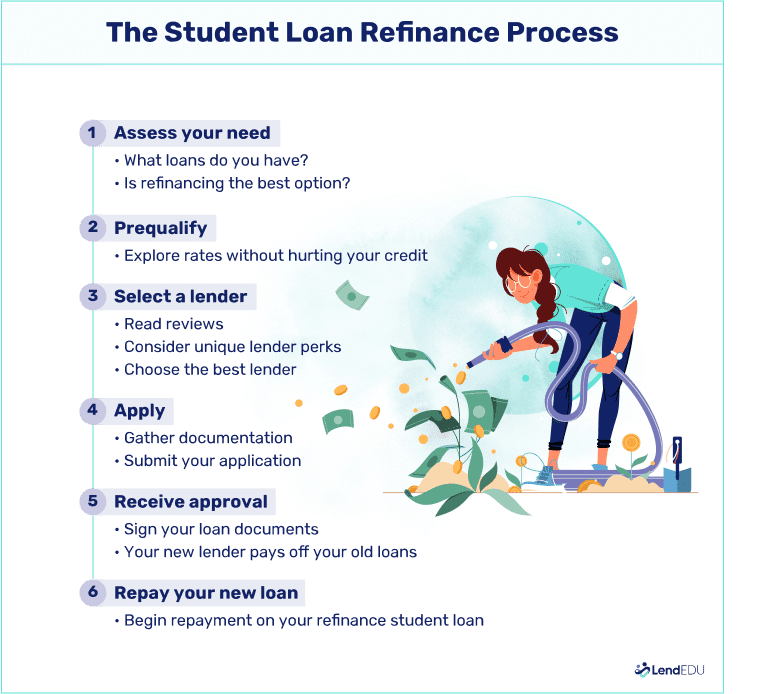
Student loan refinancing can be a smart financial move for individuals who did not complete their degree, as it allows them to potentially lower their monthly payments and save money over the life of their loan. Refinancing involves taking out a new loan to pay off existing student loans, typically with a lower interest rate and better loan terms.
One of the main benefits of student loan refinancing for individuals without degrees is the potential to save money on interest payments. By securing a lower interest rate through refinancing, borrowers can reduce the total amount they repay over the life of their loan. This can result in significant savings, especially for borrowers with high interest rates on their current loans.
Another advantage of student loan refinancing for individuals without degrees is the opportunity to simplify their finances. By consolidating multiple student loans into one new loan with a single monthly payment, borrowers can streamline their repayment process and make it easier to manage their debt. This can also reduce the risk of missing payments or incurring late fees.
In addition to saving money and simplifying repayment, student loan refinancing for individuals without degrees can also offer the benefit of potentially improving their credit score. By making on-time payments on their new loan, borrowers can demonstrate responsible financial behavior and boost their creditworthiness. This can make it easier to qualify for other types of credit in the future, such as a mortgage or car loan.
Furthermore, student loan refinancing can provide individuals without degrees with the opportunity to adjust their loan terms to better fit their financial goals. For example, borrowers may choose to extend the repayment period of their new loan in order to lower their monthly payments, or they may opt for a shorter term to pay off their debt more quickly. This flexibility allows borrowers to tailor their loan to their specific needs and preferences.
Overall, student loan refinancing can be a valuable tool for individuals without degrees who are looking to better manage their student loan debt and improve their financial situation. By taking advantage of lower interest rates, simplifying their repayment process, boosting their credit score, and customizing their loan terms, borrowers can work towards achieving their financial goals and building a stronger financial future.
How to Find Lenders That Offer Student Loan Refinancing to Non-Degree Holders
Refinancing your student loans can be a smart move to save money on interest and simplify your repayment process. However, if you are a non-degree holder, you may face some challenges finding lenders willing to refinance your loans. Fortunately, there are still options available for individuals without a degree looking to refinance their student loans. Here are some ways to find lenders that offer student loan refinancing to non-degree holders:
1. Research Online: Start by conducting a thorough search online to identify lenders that specifically cater to non-degree holders. Look for websites and resources that provide information on lenders that offer refinancing options to individuals without a college degree. Make a list of potential lenders and compare their terms, interest rates, and eligibility requirements.
2. Check with Credit Unions: Credit unions are known for offering competitive rates and flexible terms on loans. Some credit unions may be more willing to work with non-degree holders compared to traditional banks or online lenders. Contact local credit unions in your area or do some research online to see if they offer student loan refinancing options for individuals without a degree.
3. Ask for Recommendations: Reach out to friends, family members, or colleagues who have gone through the process of refinancing their student loans. They may be able to provide valuable insights and recommendations on lenders that are open to working with non-degree holders. Personal recommendations can be a great way to find reputable lenders that offer fair terms and excellent customer service.
4. Seek Assistance from Financial Aid Counselors: If you are a current student or recent graduate, consider seeking assistance from your school’s financial aid office or a financial aid counselor. They may have insights into lenders that are open to working with non-degree holders or may be able to provide guidance on alternative options for managing your student loan debt. Financial aid counselors are trained professionals who can help you navigate the complexities of student loan refinancing and identify potential lenders that fit your specific needs.
By taking the time to research online, explore credit unions, ask for recommendations, and seek assistance from financial aid counselors, non-degree holders can increase their chances of finding lenders willing to refinance their student loans. With determination and persistence, it is possible to find a lender that offers favorable terms and conditions for refinancing your student loan debt, even without a college degree.
Common Misconceptions About Refinancing Student Loans Without a Degree
When it comes to student loan refinancing, there are several misconceptions that people often have, especially when it comes to refinancing without a degree. Here are some common myths debunked:
1. You Need a Degree to Refinance
One of the most common misconceptions is that you need a degree to refinance your student loans. While having a degree may make the process easier and potentially get you a better interest rate, it is not a requirement. Many lenders are willing to work with borrowers who do not have a degree as long as they meet other eligibility criteria such as having a stable income and good credit score.
2. Refinancing Is Only for Those with High Incomes
Another misconception is that only people with high incomes can benefit from refinancing their student loans. While having a higher income can certainly make you a more attractive borrower to lenders, it is not the only factor considered. Lenders also look at your credit score, employment history, and debt-to-income ratio. Refinancing can still be a viable option for those with lower incomes as long as they meet the lender’s requirements.
3. Refinancing Is a Long and Complicated Process
Some people believe that refinancing their student loans without a degree will be a long and complicated process. While the process can vary depending on the lender, it is generally straightforward. Most lenders have online applications that make it easy to apply, and approval can often be received in a matter of days. The key is to gather all necessary documents and information beforehand to streamline the process.
4. Refinancing Will Negatively Impact Your Credit Score
There is a common belief that refinancing student loans without a degree will have a negative impact on your credit score. While applying for refinancing may result in a temporary dip in your credit score due to the hard inquiry, the long-term effects can be positive. By consolidating your student loans and potentially lowering your interest rate, you can make your monthly payments more manageable and improve your credit score over time.
5. Refinancing Is Only for Federal Student Loans
One of the biggest misconceptions about refinancing student loans without a degree is that it is only an option for federal student loans. While federal student loans do offer benefits such as income-driven repayment plans and loan forgiveness programs, refinancing can also be a beneficial option for private student loans. Private lenders offer competitive interest rates and loan terms that may be more favorable than your current loans. By refinancing your private student loans, you can potentially save money on interest and lower your monthly payments.
Overall, refinancing student loans without a degree is a viable option for many borrowers. By debunking these common misconceptions, you can better understand the benefits of refinancing and determine if it is the right decision for your financial situation.
Originally posted 2026-01-01 04:47:29.