Line Of Credit Business Loan
Welcome, fellow entrepreneurs! Have you heard of line of credit business loans? If you’re looking for a flexible and convenient way to access funds for your business, then you’ve come to the right place. In this article, we will delve into the ins and outs of line of credit business loans, helping you understand how they work and if they’re the right fit for your financial needs. So sit back, relax, and let’s dive into the world of business financing!

Understanding Line of Credit Loans for Businesses
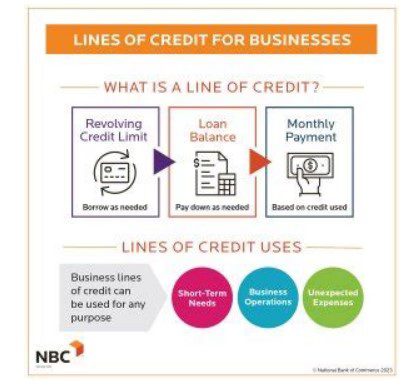
When it comes to financing options for small businesses, a line of credit business loan is a flexible and convenient choice. Unlike traditional term loans, a line of credit works more like a credit card where you have a predetermined credit limit that you can borrow against. This means you can access funds as needed, up to your approved limit, and only pay interest on the amount you borrow.
One of the key advantages of a line of credit business loan is the flexibility it provides. Instead of receiving a lump sum and paying it back in fixed monthly installments, you can borrow what you need when you need it. This can be particularly beneficial for businesses with fluctuating cash flow or seasonal revenue patterns. For example, a retail business may need extra funds to stock up on inventory before the busy holiday season, but might not need as much capital in the slower months.
Another benefit of a line of credit is that it can help you manage unexpected expenses or take advantage of opportunities without having to apply for a new loan each time. Whether you need to cover a sudden repair, invest in marketing initiatives, or seize a time-sensitive business opportunity, having a line of credit in place can provide the necessary funds quickly and easily.
Additionally, a line of credit business loan can help improve your credit score and build your business’s credit history. By making timely payments and using your credit responsibly, you can demonstrate your creditworthiness to lenders and potentially qualify for better loan terms and rates in the future. This can be especially important for businesses looking to expand or invest in large projects down the line.
It’s important to note that while a line of credit offers flexibility and convenience, it also comes with some risks. Because it gives you access to a revolving credit line, it can be tempting to borrow more than you can afford to repay. This can lead to accumulating debt and higher interest charges over time. It’s crucial to carefully manage your borrowing and make sure you have a plan in place for repaying the funds borrowed.
In conclusion, a line of credit business loan can be a valuable financial tool for small businesses looking for flexibility, convenience, and access to capital when they need it. By understanding how it works and using it responsibly, you can leverage a line of credit to help meet your business’s short-term needs and achieve your long-term goals.
Benefits of a Line of Credit Business Loan
When it comes to running a business, having access to a line of credit can be a game-changer. A line of credit business loan offers a flexible and convenient way for businesses to access funds when they need them. Unlike traditional term loans, a line of credit allows businesses to borrow money, repay it, and borrow it again, up to a predetermined credit limit. This can be incredibly helpful for managing cash flow, handling unexpected expenses, or taking advantage of growth opportunities.
One of the main benefits of a line of credit business loan is that it provides businesses with easy access to funds. Instead of having to apply for a new loan every time you need money, you can simply draw from your line of credit as needed. This can save you time and hassle, which can be especially helpful in emergency situations where you need cash quickly. Additionally, having a line of credit in place can provide peace of mind, knowing that you have a financial safety net to fall back on if needed.
Another benefit of a line of credit business loan is the flexibility it offers. With a line of credit, you only pay interest on the amount you borrow, not the entire credit limit. This means you can borrow as much or as little as you need, without having to worry about accruing interest on unused funds. Additionally, the repayment terms for a line of credit are usually more flexible than traditional loans, allowing you to pay back the borrowed amount on your own schedule. This can be especially helpful for businesses with fluctuating cash flow or seasonal revenue.
Furthermore, a line of credit business loan can help improve your business’s credit score. By using your line of credit responsibly and making timely repayments, you can demonstrate to lenders that you are a reliable borrower. This can help you qualify for larger loans with better terms in the future, allowing you to continue growing your business. Additionally, having a line of credit in place can help you build a relationship with a lender, making it easier to access financing in the future.
In conclusion, a line of credit business loan offers many benefits for businesses looking to manage their finances effectively. From easy access to funds and flexibility in borrowing to improving your credit score and building relationships with lenders, a line of credit can be a valuable tool for businesses of all sizes. Consider exploring the option of a line of credit business loan to see how it can help your business thrive.
How to Qualify for a Line of Credit Business Loan
Qualifying for a line of credit business loan can be an excellent way to access a flexible source of funding for your business. In order to secure a line of credit, lenders will typically look at a few key factors to determine your eligibility. Here are some important steps to help you qualify for a line of credit business loan:
1. Strong Credit Score: One of the most important factors that lenders consider when determining your eligibility for a line of credit business loan is your credit score. A good credit score shows that you have a history of responsibly managing your finances and paying your debts on time. Lenders typically look for a credit score of 680 or higher, but the higher your credit score, the better your chances of qualifying for a line of credit.
2. Business Revenue: Lenders will also want to see that your business has a consistent stream of revenue. This shows that your business is generating enough income to repay the line of credit. Lenders will typically look at your business’s revenue over the past 12 months to determine your eligibility. Make sure to have detailed financial records on hand to prove to lenders that your business is financially stable.
3. Business Plan and Financial Projections: In addition to your credit score and business revenue, lenders will also want to see a solid business plan and financial projections. Your business plan should outline your company’s mission, products or services, target market, competition, and growth strategies. Financial projections should include realistic revenue estimates, expenses, and projected profits. Having a well-thought-out business plan can help lenders see that you have a clear vision for your business and a plan for how you will use the line of credit to grow.
4. Collateral: Some lenders may require collateral in order to secure a line of credit business loan. Collateral is an asset that you pledge to the lender as security for the loan. If you are unable to repay the line of credit, the lender can seize the collateral to recoup their losses. Common forms of collateral include real estate, equipment, inventory, or accounts receivable. Be prepared to provide information on any assets that you are willing to use as collateral for the line of credit.
5. Strong Cash Flow: Lenders want to see that your business has enough cash flow to cover the monthly payments on the line of credit. Your cash flow is the amount of money coming in and going out of your business each month. Lenders will typically look at your business’s cash flow ratio to determine your ability to repay the line of credit. If your business has a strong cash flow and can easily cover the monthly payments, lenders will be more likely to approve your application.
By focusing on these key factors, you can increase your chances of qualifying for a line of credit business loan. Remember to prepare all necessary documentation, such as financial statements, tax returns, and a detailed business plan, to present to potential lenders. With careful preparation and a strong financial foundation, you can secure the funding your business needs to grow and thrive.
Repayment Options for Line of Credit Business Loans
When it comes to repaying a line of credit business loan, borrowers have several options available to them. The flexibility of a line of credit allows for various repayment strategies to suit the needs of individual businesses. Here are some common repayment options for line of credit business loans:
1. Minimum Monthly Payments: One of the most common repayment options for a line of credit business loan is to make minimum monthly payments. This option allows borrowers to pay only the interest on the amount borrowed each month, with the principal balance remaining outstanding. While this option provides flexibility in terms of payment amounts, it can result in a larger overall cost due to the accruing interest.
2. Principal plus Interest Payments: Another option for repaying a line of credit business loan is to make payments that cover both the interest and a portion of the principal balance. By paying down the principal balance each month, borrowers can reduce the overall cost of the loan and pay it off more quickly. This option is often preferred by borrowers looking to minimize the amount of interest they pay over the life of the loan.
3. Balloon Payments: Some line of credit business loans may allow for balloon payments, which are larger lump sum payments due at the end of the loan term. This option can be beneficial for businesses that anticipate a large influx of cash at a future date, such as after a busy season or upon completion of a major project. Balloon payments can help borrowers manage cash flow throughout the life of the loan while still paying down the principal balance.
4. Customized Repayment Plans: In addition to these standard repayment options, many lenders offer customized repayment plans for line of credit business loans. These plans may include features such as interest-only periods, adjustable payment amounts, or flexible payment schedules. By working with a lender to tailor a repayment plan to their specific needs, borrowers can better manage their cash flow and repay the loan on their own terms.
Overall, there are several repayment options available for line of credit business loans, allowing borrowers to choose the strategy that best fits their financial situation and business needs. Whether opting for minimum monthly payments, principal plus interest payments, balloon payments, or a customized repayment plan, businesses can find a repayment option that works for them.
Comparing Line of Credit Business Loans to Traditional Loans
When it comes to obtaining financing for your business, you may find yourself considering whether a line of credit business loan or a traditional loan is the best option for you. Both types of financing have their own advantages and drawbacks, so it’s important to do your research and understand the differences between them before making a decision.
One of the main differences between a line of credit business loan and a traditional loan is how the funds are distributed. With a traditional loan, you receive a lump sum of money upfront and start making regular fixed payments immediately. This can be beneficial if you have a specific one-time expense or project in mind that requires a large amount of capital upfront. However, it can also be a disadvantage if you don’t need all of the funds at once or if you want more flexibility in how you use the money.
On the other hand, a line of credit business loan gives you access to a predetermined amount of money that you can draw on as needed. You only pay interest on the amount you use, making it a more flexible option for businesses that have fluctuating cash flow or unpredictable expenses. This can be ideal for covering day-to-day operating costs, managing seasonal fluctuations, or taking advantage of unexpected opportunities that come up in your business.
Another key difference between the two types of loans is the repayment structure. Traditional loans typically have a fixed repayment schedule with set monthly payments over a specific term. This can make it easier to budget and plan for the future, as you know exactly how much you need to pay each month until the loan is fully repaid. However, it can also be less flexible if your business experiences a downturn or if you want to pay off the loan early without incurring penalties.
Line of credit business loans, on the other hand, have more flexibility in their repayment structure. You have the option to make interest-only payments during the draw period, which can help you manage your cash flow more effectively. Once the draw period ends, you can choose to either repay the full amount or convert the balance into a term loan with a fixed repayment schedule. This can give you more control over how and when you repay the loan, depending on your business needs and financial situation.
In conclusion, both line of credit business loans and traditional loans have their own benefits and drawbacks. The best option for your business will depend on your specific needs, goals, and financial situation. It’s important to carefully consider the differences between the two types of financing and choose the one that aligns with your business objectives and cash flow requirements.
Originally posted 2026-02-23 06:42:39.